Meditation has become very popular today as it offers many benefits. Studies show that regular meditation helps you relax, reduces depression, calms the immune system and lowers stress along with anxiety. It seems like the perfect solution for your busy modern life but many people still misunderstand what meditation really is.
Many mindfulness exercises are often mistakenly called meditation which gives the word many different meanings. But in yoga, meditation is a specific and well-defined practice. One of the best explanations derives from an ancient text namely the Yoga Sutras of Patanjali. Read further to know more about it.
What Refers to Meditation?
The main goal of all yoga practices is Samadhi which is considered the highest state a person can reach. Patanjali explained eight steps that help you move toward this state and meditation is one part of this path. These eight steps are known as Ashtanga Yoga and they guide you toward the final stage of yoga.
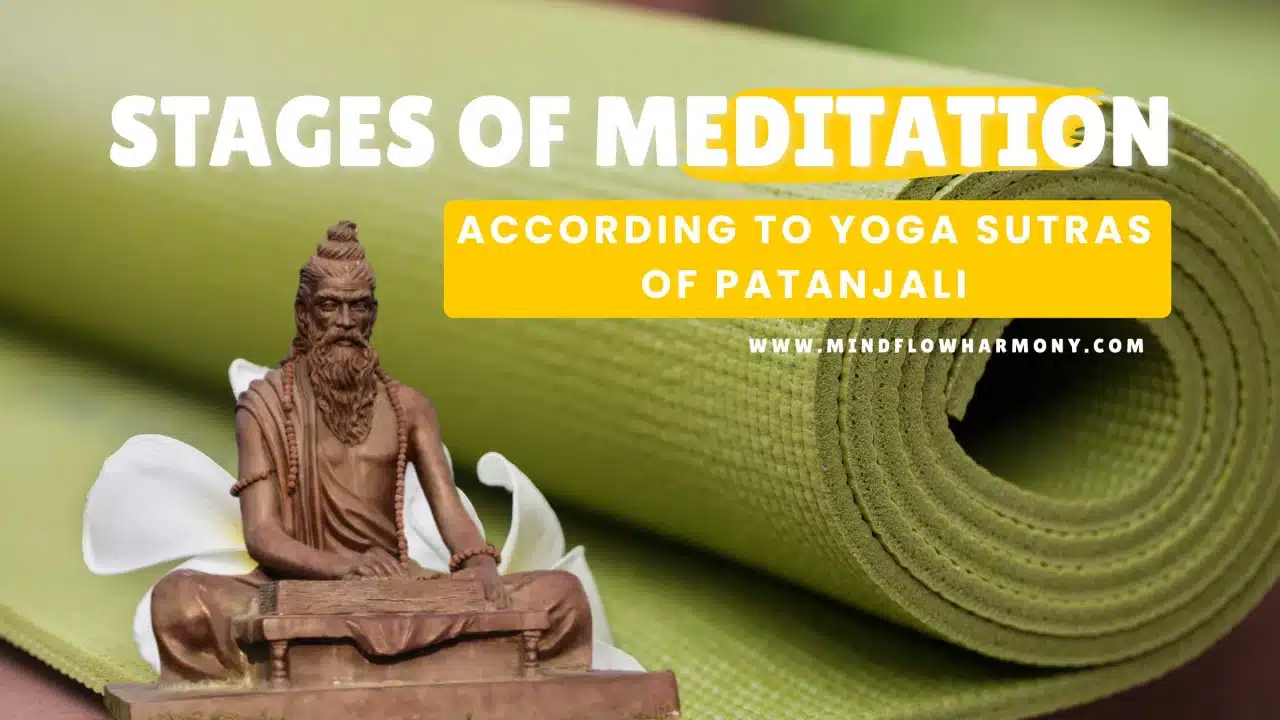
Stages of Meditation as per Yoga Sutras of Patanjali
Have a look at the stages of meditation below according to Yoga Sutras of Patanjali.
Yama
Yama means rules for how you behave with others. You will learn to live in a good and ethical way in this stage. There are five yamas which are Ahimsa (not hurting anyone), Satya (telling the truth), Asteya (not stealing), Brahmacharya (self control in relationships) and Aparigraha (not being greedy). You will become kind, honest and responsible in society by practicing it.
Niyama
Niyama focuses on your improvement from the inside. There are five niyamas which are Saucha (keeping mind and body clean), Santosha (being content), Tapas (self discipline), Svadhyaya (studying yourselves and learning) and Ishvara Pranidhana (trusting a higher power or showing devotion). You can grow as a better human being with this stage of meditation.
Asana
Asana originally meant simply sitting comfortably for meditation. Today, this word has been used for all kinds of yoga poses but it only referred to finding a steady and relaxed position in Patanjali’s time. The goal was to keep the body still and comfortable to make the mind stay calm and focus in breathing.
Pranayama
Pranayama is the practice of breath control. Patanjali explained that you should observe and regulate your inhaling, exhaling and breath holding in a smooth cycle. Breath controlling calms your mind, increases your focus and prepares your body for meditation.
Pratyahara
Pratyahara is nothing but turning your attention inward to not get distracted by sights, sounds or other sensory inputs. It is like closing the doors of the senses to make the mind stay peaceful. This step makes you become less reactive to the outside world and highly aware of your inner self.
Dharana
Dharana is the practice to focus the mind on one point. This could be your breath, an image, a mantra or a spot in your body. The goal is to train the mind to stay steady without wandering. It is the first step of deep mental focus.
Dhyana
Dhyana is a continuous meditation with a flow. You try to focus in dharana but the mind naturally stays on one object without effort in dhyana. You will become fully absorbed and thoughts will slow down. It is a deep state of stillness and awareness.
Samadhi
Samadhi is the highest state among the eight steps. The meditator unites with the object of meditation in this state. There is no sense of “I” or “me.” The mind becomes completely quiet and peaceful. It is a state of pure awareness and deep freedom from inside.
What are the Benefits of Meditation?
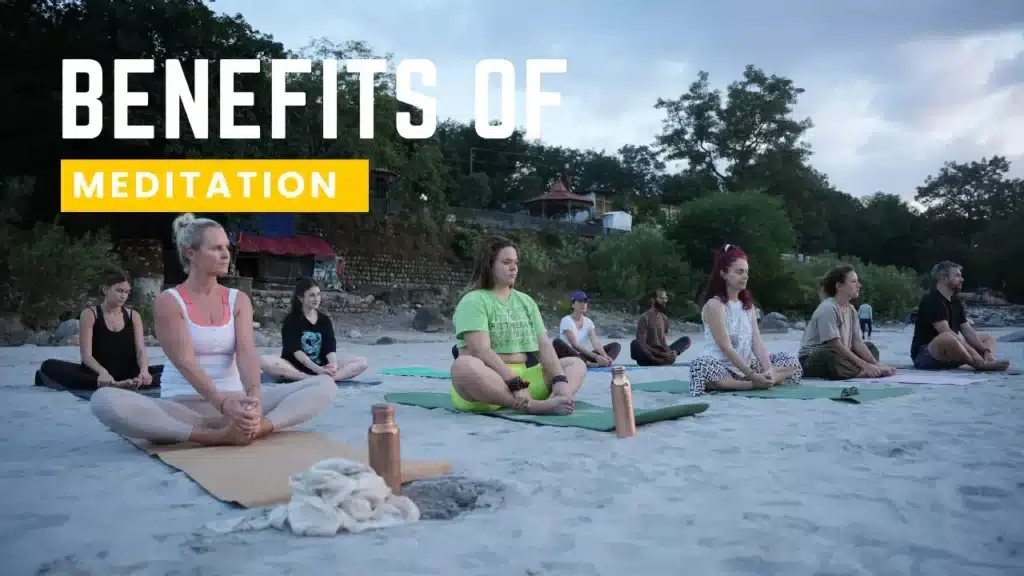
Meditation has one main purpose especially for those who follow a spiritual path. It helps them reach their highest potential. But meditation also has many other benefits. The first things people usually notice are relaxation, clearer thinking and less stress. A Harvard study even found that meditation can improve memory, lower blood pressure and heart rate and help with depression.
No matter why you choose to meditate, it brings balance inside you. It gives your mind and body a short break from the nonstop pressure of your daily life. In today’s competitive world, meditation is one of the few things that can bring complete stillness. It has become a necessity, not a choice. And even though it looks like we are “just sitting quietly,” meditation actually takes effort and practice.
know the top 10 benefits of Meditation
What is the Best Time to Meditate?
Brahma Muhurta is the right time for meditation. It is from 3:30 am to 6:00 am in India but you can do meditation at any time of the day if you are a beginner. It usually makes it hard to build a regular habit by forcing yourself to wake up very early or fighting against your natural sleep cycle. Meditation is a lifelong practice thus, it is vital to start wherever you are and at whatever time. The first goal is to simply get used to sitting every day. You can slowly try waking up earlier after a few months of regular practice. With time, this will happen naturally without pressure.
How Long Does it Take to Meditate?
Many traditional schools say that you should spend one-tenth of your day in meditation which is about two and a half hours in a 24 hour day. But honestly, any amount of meditation is helpful. You can do it 30 minutes in the morning and 30 minutes in the evening. But try sitting for simply 10 minutes in the start. The important thing is to start small and build the habit.
Conclusion
Patanjali describes one more advanced stage of freedom from suffering that many modern teachings do not mention. It is called nirbija-samadhi which means “seedless contemplation,” where the mind becomes completely free of thoughts. Some people think this is the final union with the universe but scholar David Gordon White says Patanjali’s real goal is the total separation of the spirit from the physical world. The spirit becomes limitless in this state.
The eight limbs still teach you valuable lessons about self discipline, kindness and deep thinking even though life today is very different from ancient times. These ideas continue to support modern yoga practice right today.
Join our 200 Hour Yoga Alliance-certified Meditation Course in Rishikesh and become a certified Meditation Expert: Check Now