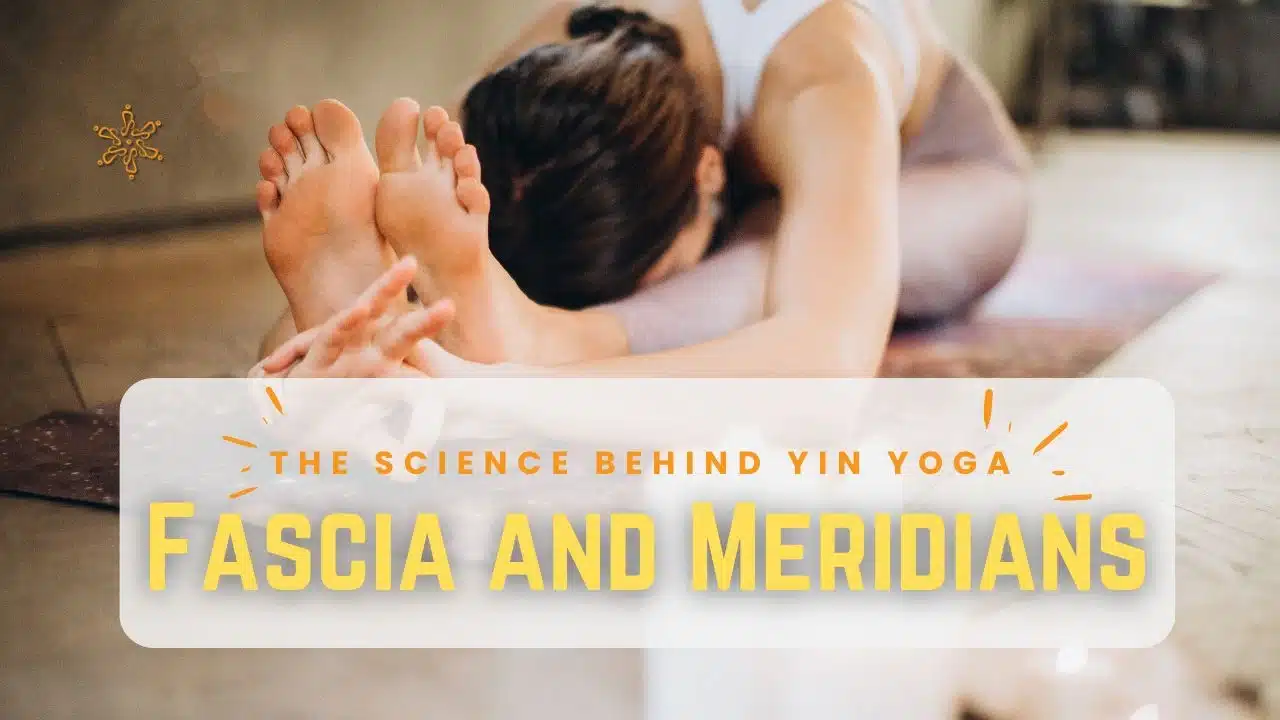
Most people think Yin Yoga is only about “slow and long stretches.” But behind this calm practice, there is a deeper world of connective tissues, the nervous system and even stored memories from your lives. In Yin Yoga, you are not simply working with your muscles. You are also working with the fascia and meridianswhich will be explained further. So continue reading to explore more.
The Evolution of Yin as a Yoga Practice
Yin Yoga was introduced to the West in the 1970s by yogi and martial artist Paulie Zink. His style came from Taoist yoga where people hold hatha yoga poses for a longer time. The Yin Yoga you see today became more popular because of Paul Grilley and Sarah Powers who added ideas from Traditional Chinese Medicine and modern anatomy.
Truth Robinson who is a longtime meditator, yoga teacher and Chinese Medicine doctor teaches Yin Yoga trainings at Power Living. He has deeply studied the history of this practice. He explains that the meridian theory used by Paul Grilley is above 2500 years old and comes from China. It is based on the idea of “Qi” which is often incorrectly translated as energy. Robinson says that Sarah Powers liked the calm, floor-based poses that Paul taught. She suggested calling these long-held poses “Yin Yoga.” Paul and Sarah then taught this style to more and more students and that is how Yin Yoga grew into the practice you know today.
Fascia – The Body’s Web
Fascia is a continuous and three dimensional layer of connective tissue that surrounds every muscle, bone, organ, nerve and blood vessel in the body. Tom Myers who is the author of Anatomy Trainscalls fascia the “organ of form” as it helps shape your body, carries force and sends information throughout the body.
Why fascia is important in Yin Yoga:
- It is flexible and can change – Fascia reacts to the way you move, the pressure you give it and even to your emotional stress.
- It holds tension and past experiences – Studies show that fascia has many nerve endings and can “remember” physical and emotional stress.
- It responds well to slow pressure – When you hold Yin Yoga poses for a long time, fascia becomes hydrated and reshaped which helps the body move better and reduces tension.
The Theory of Meridians
It is called the Taoin Chinese philosophy when everything is balanced. You will experience either yin or yang when you move away from this balance. Both depend on each other and show different life qualities. Yin is the quiet, gentle and soft side but yang is the active, strong and energetic side.
A special feature of Yin Yoga is that it works with the body’s energy lines called meridians. These are similar to the nadis mentioned in traditional yoga. A Japanese scientist namely Dr. Hiroshi Motoyama found that the path of hyaluronic acid in the body matches the meridian pathways of Traditional Chinese Medicine (TCM). He also discovered that when poses are held for a long time, the body produces more hyaluronic acid. This is why many people believe Yin Yoga helps increase hyaluronic acid which supports healing and better energy flow.
According to TCM, when a meridian is blocked, illness can develop. Meridians help move chi or life force through the body. Even though chi cannot be seen, Yin Yoga postures can activate it by focusing on specific organs and their connected meridians.
The meridians are linked to ten main organs which might be yin or yang in nature plus two special meridians. There are six lower-body meridians which are often yin in nature, that start or end at the feet and six yang meridians that start or end at the hands.
This is also why Yin Yoga puts so much focus on the hips. The six lower meridians are yin in nature and they can be reached through hip opening poses.
Meridians and Fascia: Two Maps, One Territory?
Researcher namely Dr. Helene Langevin found in the early 2000s that many acupuncture points match the fascial lines between muscles. She used an ultrasound scanner to study the relation between meridians and connective tissue. Another research team also reported that the main meridian lines are located in the connective tissue spaces between muscles. These studies do not prove that meridians physically exist but they suggest that the spaces between muscles which are filled with fascia might carry energy and follow the same paths as the meridians described in Traditional Chinese Medicine (TCM).
Tom Myers also researched the myofascial lines in the body and showed how muscles are connected through fascia to create functional chains. These chains help you move and spread tension through the body. Interestingly, many of these myofascial lines match the main meridian lines of TCM.
Who Should Practice Yin Yoga?
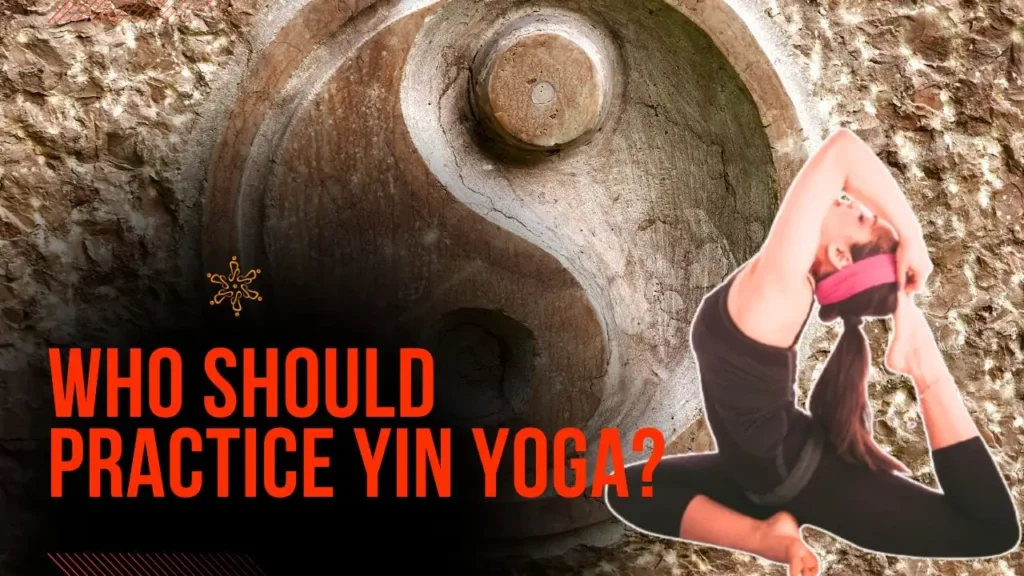
Many of us live busy lives filled with yang activities. You drive, walk to the store, work and stay active all the day. Yin Yoga is a great for those who want to bring good balance to their routine. It gives you a quiet, slow and calming break from fast activities like running or doing an Ashtanga yoga class.
Yin Yoga is perfect if you who want a peaceful and thoughtful yoga practice. It helps calm your mind and relax your body by reducing the stress of a busy day. Then it activates the body’s “rest and digest” response.
Yin Yoga can also beneficial for those who have long term health issues like arthritis or osteoporosis. Those recovering from injuries might also practice some poses. But it is important to get approval from a doctor and let your yoga teacher know about any health conditions.
Conclusion
You might not sweat after a Yin Yoga class. But you will indeed finish the session with freshness and full of energy. Yin Yoga is calm, meditative and intense session sometimes but it leaves you relaxed. It needs time and patience like any other practice. It is completely okayeven if you can hold a pose for only three to four minutes in the beginning. You can slowly increase the time with regular practice.